
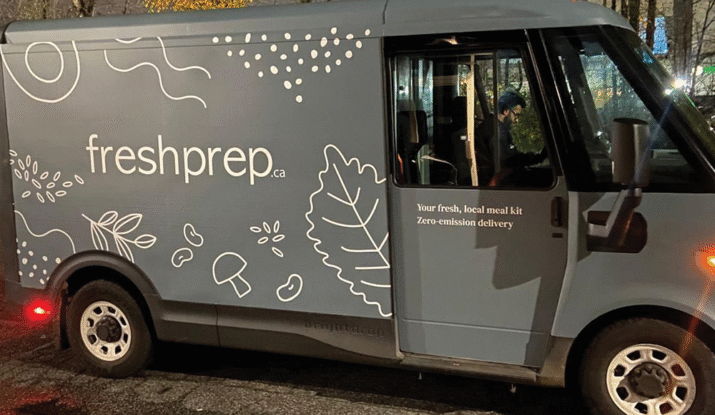
Wraps can completely transform a vehicle’s custom appearance and design. In addition to protecting the exterior from customization, wraps also turn the vehicle into a mobile advertisement. While advertising benefits are high, the vehicle’s appearance and wrap quality are also essential. This takes true artistry, and in particular, a deep understanding of the field and the materials used with it. This defines what a car wrap specialist is and what to look for to hire this kind of professional for your vehicle.
What does a Car Wrap Specialist do?
A vehicle wrap specialist is a professional who applies vinyl film to vehicles. This procedure is called car wrapping. This can involve completely changing a car’s color, adding customized artwork, or incorporating professional advertisements. Vinyl wrapping is a good alternative to getting a new paint job since it is semi-permanent and can be removed without damaging the original paint.
These specialists handle the wrapping process entirely on their own. This includes speaking with the customer, prepping the vehicle’s surface, applying the vinyl, and making final touches to ensure a seamless, perfect finish. This is where these specialists worked on all kinds of vehicles, including personal cars, exotic cars, commercial vans, and even entire fleets.
What are the Responsibilities of a Car Wrap Specialist?
These specialists, whose job is to wrap cars in the specific artistic style requested by the car owner. This is a position that not everyone can do.
**Consultation and Design**
The consultation involves understanding what the clients need and how they want their cars customized. The client chooses the vinyl type, including color and finish (matte, satin, gloss, or chrome). In the case of commercial wraps, clients have basic graphic design skills and can work with the specialist to design the layout of logos, text, and images that communicate the desired message. It is a necessary step to ensure everyone is on the same page and that client goals can be achieved.
**Vehicle Preparation**
To achieve a lasting wrap, adequate vehicle preparation is required. The specialist will need to be in York to prep the vehicle’s exterior, removing all dirt, wax, grease, and contaminants. They have to check the car for any imperfections, such as chipped or scratched paint, as these will show through the vinyl. They might need to do a clay-bar treatment or even take apart door handles, mirrors, and bumpers to ensure they can vinyl the areas with all the necessary curves and edges.
**Vinyl Application**
This is their time to use their skills however they want.
They have to arrange the technical work with their heat guns, squeegees, cutting blades, and other supplies they utilize to apply the vinyl to each vehicle panel flawlessly.
Stretching and Conforming: A heat gun is aimed at the vinyl covering to be stretched and shaped to the car’s bumpers and side mirrors. Getting the settings to a suitable level is crucial because if they get too high, the vinyl will burn. Still, if too low, the vinyl will just be an air-filled cover over the bumpers and mirrors, and it won’t heat to a stretchable point.
Squeegeeing: To improve the adhesion. And to eliminate air-filled pockets at the back of the vinyl, it is stretched and smoothed with a squeegee.
Trimming and Finishing: After one of the bumpers or mirrors has been carefully trimmed, the borders are to be heated with extreme care to avoid damaging the vehicle. The edges with heated folds are left alone so that the vinyl can retain its memory of previous temperature settings.
Each vehicle will undergo a complete inspection after the vehicle wrapping design is complete to check for creasing, lifted edges, seam realignment, and design coherence, as well as smoothing bubbles and wrinkles.
Specialist Skills and Qualities\\
Producing quality car wraps is a unique skill. The top specialists have an established, thorough mastery of the trade, with both technical and interpersonal skills.\\
Patience and attention are key. Car wrapping is a slow and methodical process. An accepted top-shelf specialist will not overlook the detail of moving surface prep, cleaning, wrapping, and moving to the final trim.\\
Specialists need to have steady hands and excellent coordination, especially considering the expensive vehicle, sharp blade, and heat gun.\\
Most vehicles present unique challenges, from a difficult compound curve to a sharp body line to a deep recess. A specialist needs to change their thinking and plan to get around roadblocks.\\
A good specialist needs not only knowledge of vinyl brands and their properties, like 3M and Avery Dennison, but also an understanding of material behavior and which materials will get the job done.
Training and Certifications: Although rare, certifications and training from companies like 3M and Avery Dennison demonstrate an individual’s seriousness and skill, as these companies teach the most detailed best practices and techniques.
Why Should You Hire a Professional Instead of Doing It Yourself?
Of course, because of the popularity of DIY wrap kits, some car enthusiasts may be tempted to wrap their cars themselves. It could be a fun activity. But without training and experience, achieving a professionally looking wrap is really difficult.
Examples of DIY wrap jobs gone wrong include:
Vinyl with shiny bumps, indents, creases, and wrinkles.
The scratched wrap resulted from the squeegee being shifted too much.
Incorrect trimming exposes the car’s original paint, which can cause it to be scratched.
Oversretched vinyl can result in faded colors and other issues.
Vinyl that is insufficiently glued and is pulling away from the surface, peeking, and hiding the design.
If you want the work done correctly, hire a car wrap professional. A car wrap professional will have the expertise and the right materials to do the job. A car wrap done by a professional will clearly look better and last longer, anywhere from 5 to 7 years, depending on the climate and conditions.